Get Sagging Floor Repair
Sagging floor repair services help property owners fix uneven, weakened, or sagging floors caused by structural issues, often involving joist, beam, or foundation repairs handled by local contractors.
Sagging floors can indicate underlying issues that may affect the safety and stability of a property. Property owners in the area often explore repair options to prevent further damage, improve structural integrity, and maintain the value of their homes or commercial spaces. Whether addressing a recent problem or planning preventative measures, understanding available services and comparing local contractors can help make informed decisions for your project.
Finding experienced service providers who specialize in sagging floor repairs is an important step in planning a successful project. Local contractors offer a range of solutions tailored to different needs and property types. Continuing to explore your options can provide clarity on the best approach to restoring a level, secure flooring system that supports your property’s long-term stability.
- Sagging Floors - homeowners noticing uneven or bouncy floors may need repair services.
- Floor Settlement - properties experiencing shifting or sinking floors might require professional stabilization.
- Structural Damage - buildings with visible cracks or deterioration in flooring support structures may need expert assessment.
- Foundation Issues - sagging floors often indicate underlying foundation problems that local contractors can address.
- Water Damage - floors affected by moisture or leaks can weaken and sag, prompting repair needs from experienced service providers.
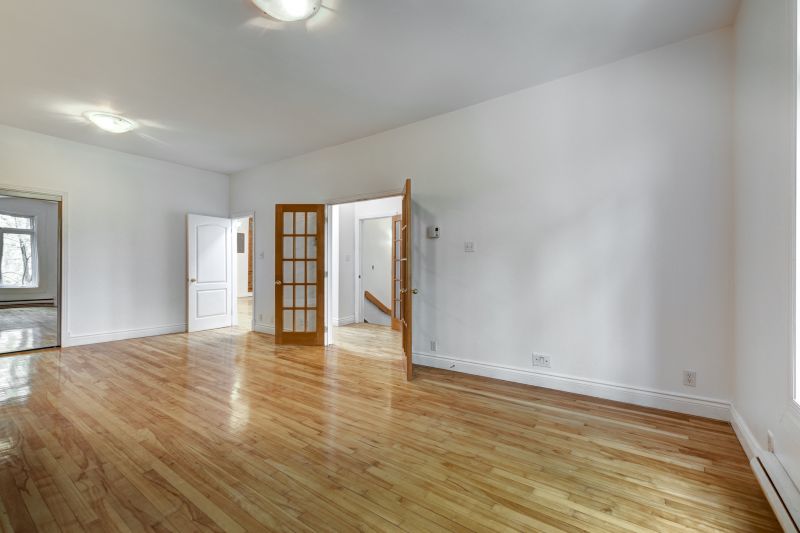
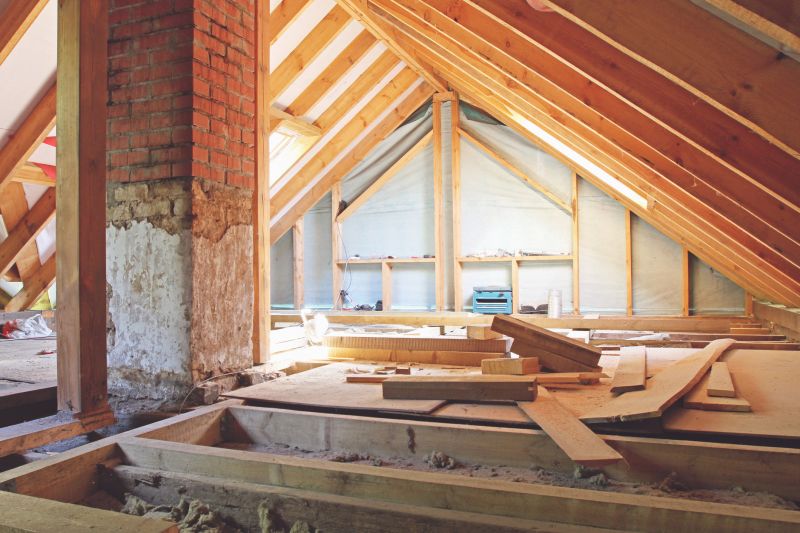
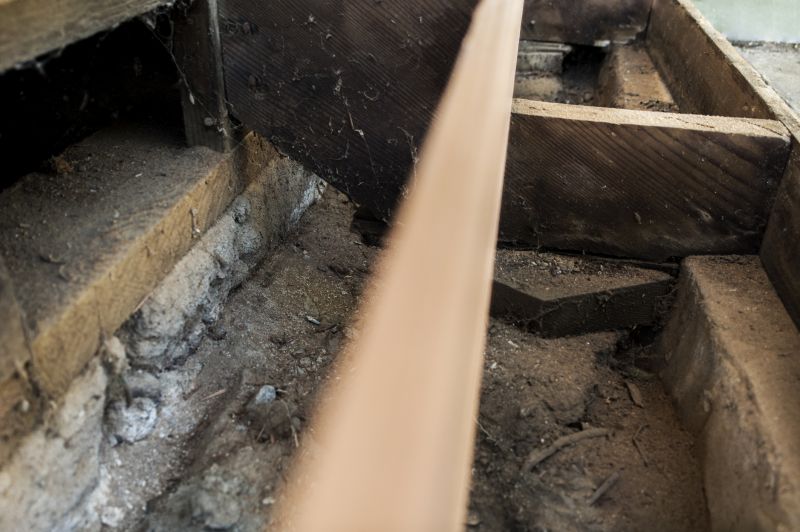
Sagging floor repair services address the issue of floors that have become uneven or dip in certain areas, often resulting in a noticeable sagging or bouncing sensation underfoot. This problem typically occurs when the supporting structures beneath the floor, such as joists, beams, or supports, weaken or sustain damage over time. Repairing a sagging floor involves assessing the underlying cause, then reinforcing or replacing the compromised components to restore stability. Skilled service providers use specialized techniques and materials to ensure the floor is level, safe, and durable, helping homeowners regain a solid walking surface.
Many problems are associated with sagging floors, including creaking sounds, uneven surfaces, and increased risk of further structural damage. These issues can lead to difficulty in placing furniture, tripping hazards, and even potential safety concerns if the floor's integrity is compromised. Sagging may also be caused by issues like moisture damage, wood rot, or pest infestations that weaken the supporting framework. Addressing these problems promptly with professional repair services can prevent more extensive damage, protect property value, and improve overall safety within the home.
Sagging floor repair services are commonly needed in a variety of property types, including older homes, basements, and crawl spaces where structural elements may have deteriorated over time. Commercial buildings and multi-family residences can also experience floor sagging, especially if they have experienced moisture issues or heavy usage. Homes with previous foundation or framing problems may be more prone to sagging, making these repairs an important part of maintaining structural integrity. Property owners noticing signs of uneven floors or unusual movement are encouraged to seek consultation from local contractors who specialize in floor stabilization.
Homeowners should consider sagging floor repair when they notice floors feel uneven, bounce excessively, or if there are visible dips or cracks in the surface. These signs often indicate underlying issues that require professional assessment and intervention. Addressing sagging early can help prevent further structural damage, reduce safety risks, and improve the comfort and usability of living spaces. By connecting with experienced local service providers, property owners can find the right solutions to restore their floors and ensure the long-term stability of their homes.
The overview below groups typical Sagging Floor Repair projects into broad ranges so you can see how smaller, mid-sized, and larger jobs often compare in your area.
In many markets, a large share of routine jobs stays in the lower and middle ranges, while only a smaller percentage of projects moves into the highest bands when the work is more complex or site conditions are harder than average.
Smaller Repairs - minor sagging or localized floor issues typically cost between $250 and $600. Many routine repair jobs fall within this range, depending on the extent of the damage and accessibility.
Moderate Repairs - more extensive sagging or multiple areas needing attention usually range from $600 to $1,500. These projects are common and involve replacing or reinforcing sections of flooring.
Major Restoration - significant sagging that affects large areas or involves structural work can range from $1,500 to $3,500. Larger, more complex projects tend to reach the higher end of this range.
Full Floor Replacement - complete replacement of an entire floor can cost $4,000 or more, with larger homes or high-end materials pushing costs higher. These are less frequent but necessary for severely damaged floors.
Actual totals will depend on details like access to the work area, the scope of the project, and the materials selected, so use these as general starting points rather than exact figures.
Subfloor Replacement - this project involves removing and replacing damaged subfloors, requiring skills in framing, leveling, and material handling similar to sagging floor repairs.
Foundation Repair - addressing foundational issues often involves assessing structural stability and planning repairs, which are related to evaluating and fixing sagging floors.
Joist Reinforcement - strengthening or replacing weakened joists is essential in restoring floor stability, sharing techniques used in sagging floor correction.
Basement Floor Leveling - leveling uneven basement floors involves similar planning and tools to address sagging or uneven surfaces in flooring systems.
Wood Floor Restoration - repairing or restoring damaged wood flooring requires precise assessment and repair skills akin to sagging floor service work.
Structural Support Installation - adding beams or supports to enhance floor stability shares planning and structural assessment skills with sagging floor repairs.
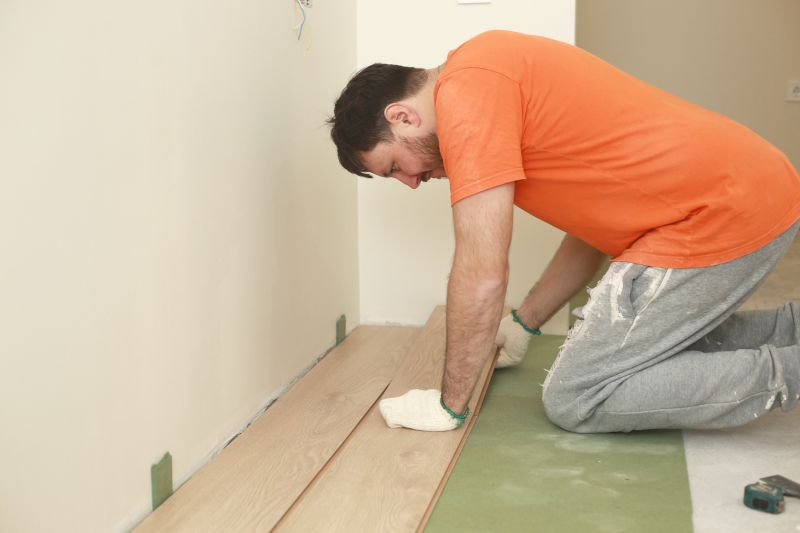
When evaluating contractors for sagging floor repair, it’s important to consider their experience with similar projects. Homeowners should inquire about how many times the service provider has handled repairs involving floors with comparable issues or structural concerns. A contractor’s familiarity with the specific challenges of sagging floors can indicate their ability to deliver effective solutions. Reputable local service providers often have a track record of successfully completing projects similar to yours, which can provide added confidence in their expertise.
Clear, written expectations are essential when comparing local contractors. Homeowners should seek detailed estimates or project descriptions that outline the scope of work, materials to be used, and any warranties or guarantees offered. Having these details in writing helps ensure everyone is aligned on what the project entails, reducing the risk of misunderstandings or unexpected costs. A professional contractor will be transparent about the process and provide documentation that clearly communicates what to expect during and after the repair.
Good communication and reputable references are key factors in making an informed choice. Service providers who are responsive to questions and willing to provide references from past clients demonstrate professionalism and accountability. Contacting references allows homeowners to learn about the contractor’s work quality, reliability, and ability to meet deadlines. It’s important to work with local contractors who value clear communication, as this often reflects their overall approach to customer service and project management. The site introduces homeowners to local options but does not perform the work itself, making it easier to compare and connect with trusted service providers in the area.
Property owners use Sagging Floor Repair services for practical projects around their homes and businesses. This guide focuses on everyday jobs and straightforward project options.
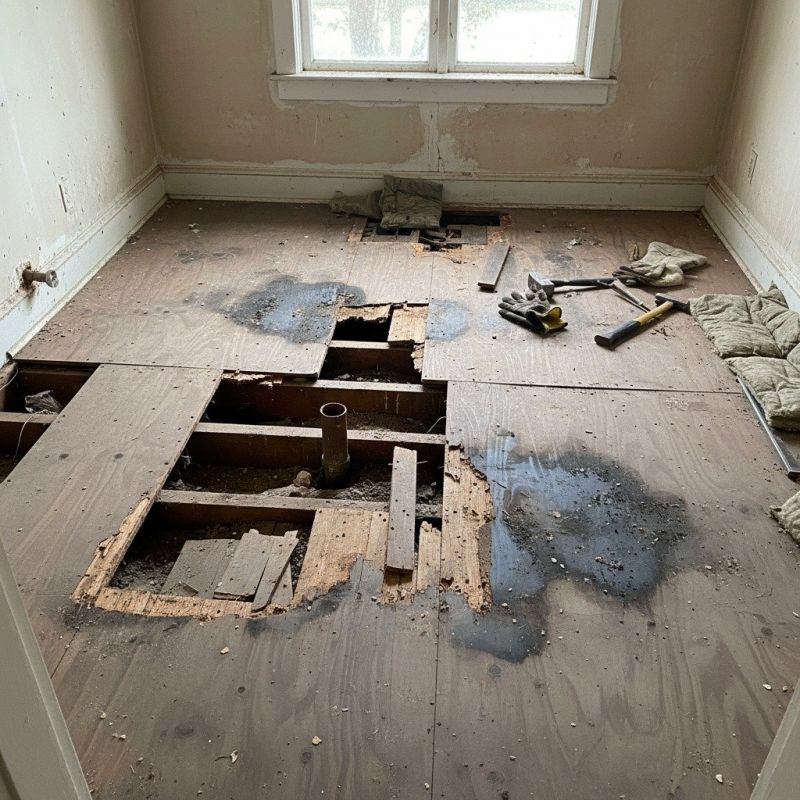
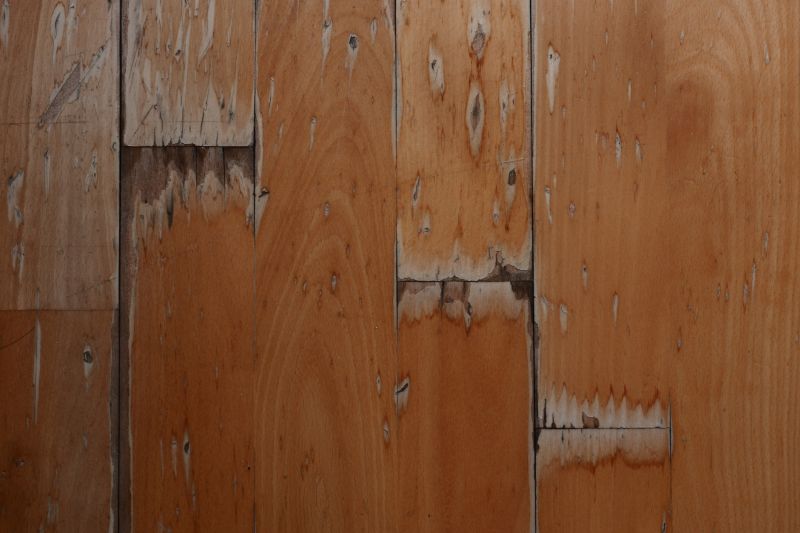
Sagging floors can become noticeable in homes and commercial properties when the underlying support structures weaken or settle over time. Property owners might notice creaking sounds, uneven surfaces, or visible dips in certain areas of their floors, prompting a search for repair services. Local contractors experienced in floor stabilization and reinforcement are often called upon to address these issues, helping to restore safety and stability to affected spaces.
Many property owners seek sagging floor repair services due to concerns about safety, structural integrity, or the impact on property value. Common situations include after noticing a sudden shift or sag in a specific part of the floor or as part of ongoing home maintenance. Service providers in the area can evaluate the situation and recommend appropriate solutions to reinforce or level the flooring, ensuring the space remains secure and functional.
What causes a floor to sag? Floor sagging can result from structural issues such as weakened or damaged joists, water damage, or soil movement beneath the foundation.
How can sagging floors be repaired? Local contractors may use methods like sistering joists, adding support beams, or replacing damaged framing to restore a level floor.
Is sagging floor repair necessary? Repairing a sagging floor can help prevent further structural problems, improve safety, and restore the appearance of the space.
What signs indicate a floor needs repair? Signs include noticeable dips or uneven surfaces, creaking sounds, or visible gaps between the floor and walls.
Are there different repair options for various types of flooring? Yes, repair methods can vary depending on the flooring material, the extent of the sagging, and underlying structural conditions.
Sagging Floor Inspection - Property owners can schedule inspections to identify the causes of uneven or sagging floors before planning repairs.
Structural Reinforcement Solutions - Homeowners can explore options for strengthening floor joists or supports to improve stability and safety.
Subfloor Repair Options - Residents might consider replacing or leveling damaged subfloor sections to restore a flat and secure surface.
Foundation Support Services - Property owners can assess whether foundation issues contribute to floor sagging and seek appropriate reinforcement solutions.
If you are thinking about Sagging Floor Repair for a property, this guide is meant to help you understand the work, the typical project types, and how different options might fit your plans.
When you are ready, you can use the quote form on this page to share a few details about your project. From there, local pros can review the basics and respond with options that match what you have in mind.